News
Full listing
September 14, 2023
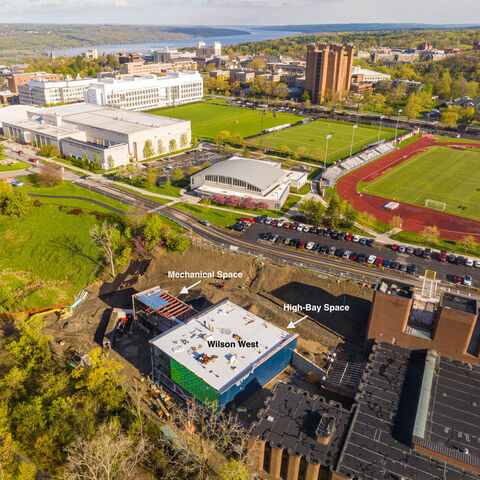
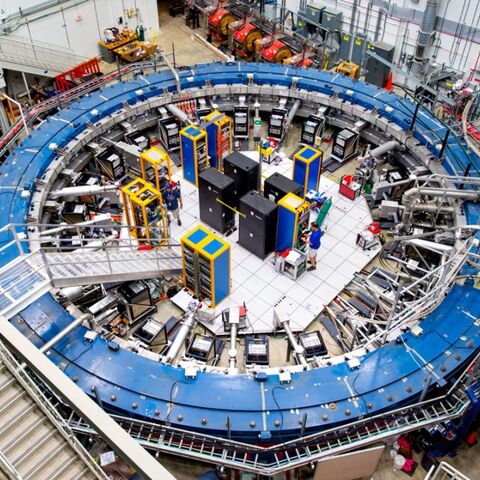
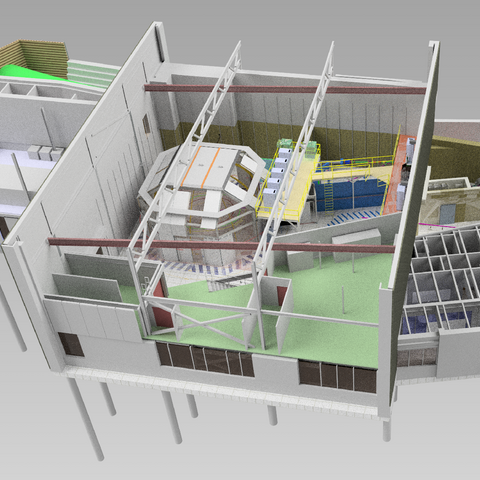
Follow this page to see the latest images of the New Experimental Hall construction.
August 12, 2023
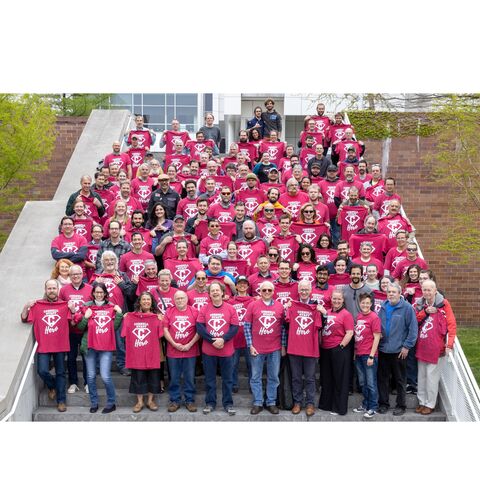
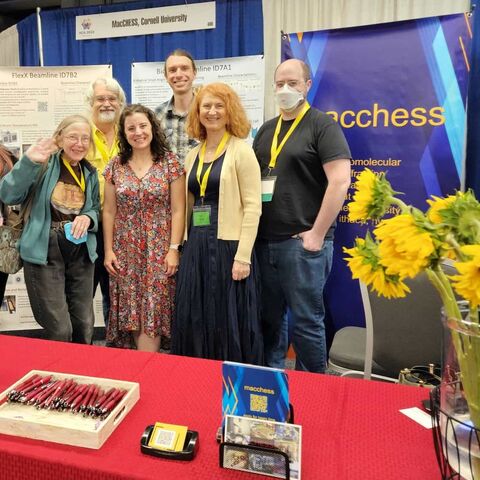
A sizable group of MacCHESS personnel attended the annual meeting of the ACA (ACA: The Structural Science Society, formerly the American Crystallographic Association), held July 29-August 3 in Portland, Oregon. Home base was a booth in the Exhibit Hall, assembled, beautified, and manned by Irina Kriksunov. At the booth, visitors could read about activities at Sector 7, ask questions about whether they could make use of CHESS, and leave with informational postcards (as well as chocolates).
August 10, 2023
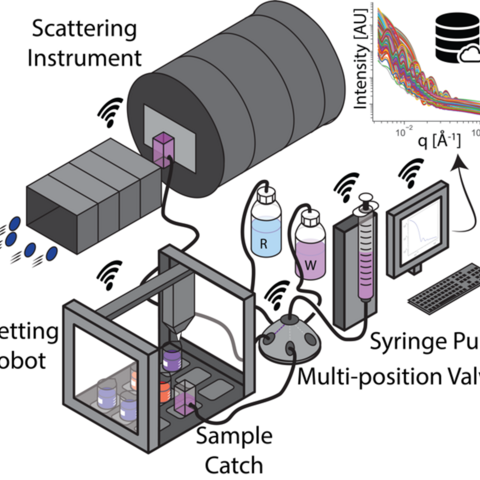
During a series of three single-week runs starting in 2020-1 and culminating in 2022-1, a team of researchers from NIST, collaborating with several industrial partners, employed the FMB beamline at MSN-C to develop and then demonstrate an AI-accelerated robot to rapidly map the composition of liquid formulations, from coatings to personal care products.
May 11, 2023
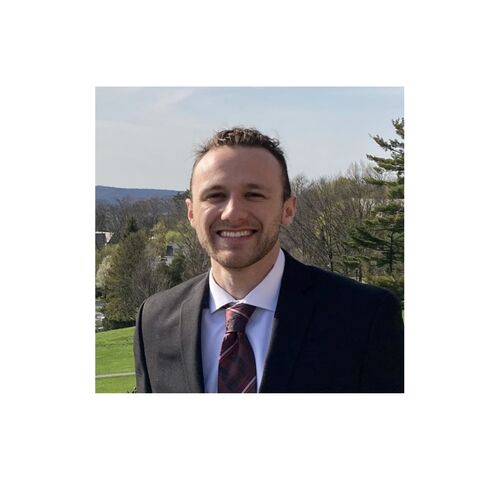
Congratulations to CLASSE Graduate Student Matthew Signorelli, who has been selected as a winner of the Bruno Touschek Prize awarded at the 14th International Particle Accelerator Conference (IPAC’23)!